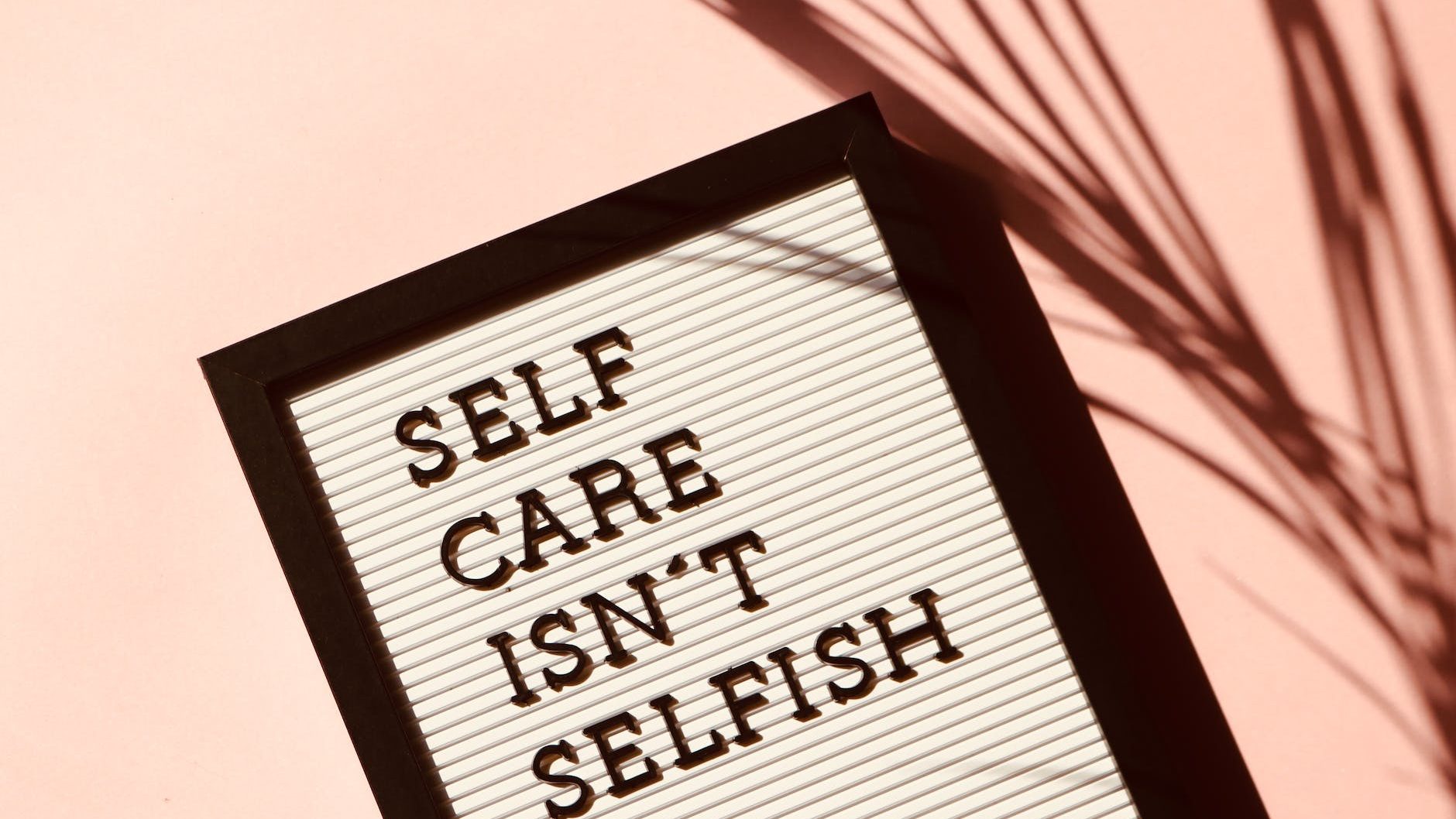
Smile Pretty

I sit here every day by myself, and I ask if I did anything wrong to deserve this. I ask how it got to be this bad. I ask why I couldn’t just be loved the same that I loved. I realized these are questions that won’t be answered. I did nothing wrong to deserve what’s happened in my life. I do get upset when I’m told God only gives us what we can handle, but sometimes, the only way I’m breathing is my holding my head upwards for my nostrils to just be above water. Does that resonate?
Do you think anyone else in this world could handle what you’ve been through? I know NOBODY could, It’s insane to think of all the things I’ve endured but I rose above and came out on top, and I give everyone positive strength because I didn’t let it take me down. This isn’t bragging because I know how hard it can be,

I know how dark it can get. My arms are a constant reminder.

The next time you think about how rough things are, just know that you’re the one who will and has risen above. You’re the one who will share your story and it will change someone’s life.

It just takes one person to make a difference. It really does!

Paying forward is honestly the superpower that many people take forgranted,

love, forgiveness, and overcoming abuse

Love, in its purest form, is a source of solace, joy, and connection. Yet, when subjected to abuse, love can become entangled with pain, confusion, and mistrust. The wounds inflicted by abuse, whether physical or emotional, linger far beyond the immediate impact, fracturing our sense of self and our belief in the goodness of love.Repairing love after abuse is a monumental undertaking. It requires us to confront the trauma head-on, to acknowledge the depth of our wounds, and to seek healing with unwavering determination. It’s a journey that demands patience, self-compassion, and an unwavering commitment to our own well-being.

Forgiveness, often misconstrued as an act condoning the abuser’s actions, is a cornerstone of this healing journey. It’s not about forgetting or excusing the abuse; it’s about releasing the hold of resentment and reclaiming our power. Forgiveness is the key that unlocks the door to our liberation, allowing us to transcend the pain and move forward with strength and grace.

Overcoming abuse is not a solitary pursuit. It’s a collective effort that requires a support system built on empathy, understanding, and non-judgment. It’s about seeking professional help, confiding in trusted friends, and creating a safe space to process the trauma without shame or guilt.

The journey to repair love and find forgiveness is riddled with challenges. It’s a labyrinth of emotions, marked by moments of despair and glimpses of hope.

It’s about rewiring our beliefs about love, recognizing our inherent worth, and relearning to trust—not just others, but ourselves.

Admidst this darkness, there’s light. The human spirit’s resilience is astounding. It’s in the small victories of each day, the moments of self-compassion, and the gradual rebuilding of our shattered hearts. It’s the realization that our capacity to love is not diminished by the scars; rather, it’s fortified by our courage to confront our pain.

To those navigating this path of healing and renewal, I extend my utmost admiration. Your bravery in confronting the shadows of your past is commendable, and your journey towards healing is a testament to the strength of the human spirit.

Let us collectively foster a culture of empathy and support for survivors of abuse.

Let us advocate for resources and spaces that facilitate healing and empower individuals to reclaim their sense of self-worth and capacity to love.

In closing, remember the words of Nelson Mandela: “As I walked out the door toward the gate that would lead to my freedom, I knew if I didn’t leave my bitterness and hatred behind, I’d still be in prison.”,

In Too Deep

In shadows deep, where love did die,
A narcissist’s deceit, a painful lie.
Heartbreak’s chains, a relentless vice,
Tears like acid, love’s sacrifice.

Another cruel embrace, which I keep in secret, held tight.
A fleeting refuge in the darkest night.
A twisted dance, a poison’s hold,
A shattered soul, yet another one of my stories untold.

Alone, I stand, in the wreckage of me,
A silent scream, my heart’s decree.
In the mirror’s gaze, I see the truth,
A lonely soul, the remnants of youth.

But hope remains, a flicker, small,
To rise from the abyss, to stand tall.
For in the depths of despair’s cruel tone,
The strength to heal, to find my own.

To break these chains, and shed the pain,
To find my worth, and love again.
In solitude’s embrace, I’ll learn to thrive,
Reclaim my heart, and truly be alive.

Liberated from the Chains of a Narcissistic Relationship

Once a prisoner, now set free

❤️✨💔💪🚪

Heartbreak. It’s a word that fills our minds with images of sadness, longing, and pain. But what if I told you heartbreak could also bring us liberation, strength, and a newfound sense of freedom? I would like to share my story today, not to dwell on the past, but to inspire those who may find themselves in a similar situation. I emerged from the depths of a toxic, narcissistic relationship, and I am here to tell you that life after heartbreak can be filled with renewed hope, self-discovery, and joy.In the clutches of a narcissistic partner, everything becomes centered around their desires and ego. You lose yourself, your value, and your identity. But as I broke free from those chains, I realized that my worth goes so much deeper than the love I once craved from someone who could never truly reciprocate it.

The process of healing was not easy; it required a great deal of self-reflection, therapy, and a supportive network. I learned to let go of the blame I placed on myself for staying, for loving so deeply, and for allowing someone to wield power over my emotions. It was not my fault.

Slowly, I began to rebuild the fragments of my shattered heart. I focused on my own well-being, setting boundaries, and rediscovering my passions.

I surrounded myself with people who uplifted and loved me unconditionally.

Most importantly, I learned to love myself again.

Now, as I stand on the other side of heartbreak, I can genuinely say that I am grateful for the experience.

It taught me resilience, compassion, and the importance of fighting for my own happiness.

The scars that once marked my soul now serve as reminders of the strength I possess.

To all those who have emerged or are currently emerging from a narcissistic relationship, know that you are not alone. Your heart may be tender, but it will heal. Embrace the freedom that comes with letting go of a toxic love, and step into the light of self-discovery.

Love yourself fiercely, and celebrate each step forward on this beautiful journey of personal growth.

Your heartbreak has set you free, allowing you to open your arms to a future where you attract only genuine love and kindness.

#HeartbreakLiberation #FromHeartbreakToFreedom #EmbraceSelfLove

You Saved Me

Without exception to both men and women, the rescue fantasy is what has kept narcissistic relationships alive year after year. HOPE keeps the ship afloat, because once the hope is gone, there is nothing left to fight for. Hope can be real, and it can be an illusion, but in most cases, it is a little of both. The gaslighting dynamic is a critical brick in the rescue fantasy. Issues such as self-doubt, guilt, fear, and the prevailing fairy tale that “if you love someone enough., he or she will change” are what can lead people to spend decades fighting for these relationships. Every day becomes a new opportunity to “get it right”, “to try harder“, and when you look at the typical relationship books, they are about communicating more clearly, being more loving and making time for your relationship. All of this is lovely advice, only if the other person is noticing or listening!

Kierkegaard notes that “; Love is the expression of the one who loves, not of the one who is loved”. The challenge is that when this expression is not met with reciprocity, and in fact the opposite, it can be exhausting and demoralizing. The rescue fantasy is embedded in the public consciousness. In addition, if you grew up with parents who needed rescuing or if you found yourself in an early caregiving role, then it is easy to thing that more love is better. If you do more, if you care more, if you love more, then you will get more back. It’s not that linear, and while that may apply in a factory – work harder, make more widgets-it does not work in relationships, least of all with a narcissist.
When you remove that option, the option of “try harder and your partner will notice,” it can leave you angry., confused, and frustrated. People will live in a place of futility in their relationships for a very long time. In just about anything else in their lives, most of the people. I have heard in my group say, “If I had been this frustrated for this long in anything else, I would have quit the job, ended the friendship stopped speaking to the family member, or simply just quit” Something about close relationships keeps us in even after all of the evidence tells us to run. The rescue fantasy is in our DNA, and the rescue fantasy allows the beasts in our lives to get away with too much. We are a culture that loves the redemption story, and many people want to be the savior.

Although this relationship may have eroded away at your self-esteem, your self-worth, your decision-making abilities, and filled you with a lifetime of doubt, you still keep chipping away at it.
Love is redemptive. experience, and when experienced by healthy people, it can open them up to possibilities within themselves, facilitate growth, and provide strength at times of adversity.

L


Forgiveness: A Complex Journey

Ladies and gentlemen, esteemed guests, today I stand before you to address a topic that holds immense significance in our lives – forgiveness. As human beings, we are often faced with the challenge of forgiving those who have wronged us. But what happens when the person in question is a narcissist? Can we truly forgive them? Let us explore this intricate question and unravel the complexities of forgiveness.

1. Defining Forgiveness:

Forgiveness is a profound act of releasing resentment or anger towards someone who has caused us harm. It is a choice to let go of negative emotions and seek peace within ourselves. However, forgiveness does not imply condoning or forgetting the actions that caused the pain.

2. Understanding Narcissism:

Narcissism is a personality disorder characterized by a grandiose sense of self-importance, a constant need for admiration, and a lack of empathy for others. Dealing with a narcissist can be challenging, as their actions often cause pain and emotional distress to those around them.

3. The Complexity of Forgiving a Narcissist:

Forgiving a narcissist can be an arduous undertaking. Their lack of remorse, inability to empathize, and persistent need for validation make it challenging to find closure. The question arises: is it possible to forgive someone who seems incapable of understanding the pain they have caused?

4. The Power of Forgiveness:

Forgiveness is not about absolving the narcissist of their actions; rather, it is about finding inner peace and liberation from the burden of anger and resentment. By forgiving, we free ourselves from the negative emotions that consume us, allowing personal growth and healing to take place.

5. Self-Forgiveness:

In addition to forgiving the narcissist, it is crucial to address the importance of self-forgiveness. Often, individuals who have been victimized by narcissists blame themselves, questioning their own worth and actions. Understanding that healing begins with self-compassion and forgiveness is essential for moving forward.

6. Setting Boundaries:

When dealing with a narcissist, forgiveness does not mean subjecting ourselves to further harm. It is vital to establish healthy boundaries, protecting ourselves from ongoing toxicity. Forgiveness can coexist with the decision to distance oneself from the narcissist, allowing for personal growth and emotional well-being.

In conclusion, forgiveness is a complex journey that requires introspection, strength, and self-compassion. While forgiving a narcissist may seem challenging, it is possible to find peace within ourselves by letting go of resentment and anger. Remember, forgiveness does not excuse or justify their actions but empowers us to heal and move forward. May we embark on this journey with open hearts, embracing the transformative power of forgiveness.


The Power of Resilience:

Rising Above Challenges as a Mother

Life can undoubtedly present us with overwhelming difficulties, testing our strength and resilience. At times, the weight of responsibilities and the burdens we bear can become heavy, leaving us longing for an escape from the harsh realities. However, it is crucial to remember that crying and giving up are not the most effective ways to overcome obstacles. As a mother, it is essential to prioritize your obligations and responsibilities, even when the allure of resorting to harmful coping mechanisms, such as drugs, may seem tempting.

Being a mother means engaging in one of the most significant acts of unconditional love and selflessness. Though it may seem challenging, the journey of motherhood often leads to personal growth and a sense of fulfillment. Rather than seeking temporary relief in unhealthy outlets, embracing resilience can yield immense personal growth and a deeper appreciation for the strength you possess.

1. Embracing Emotional Catharsis: Crying can provide a temporary release, allowing us to acknowledge and process our emotions. Instead of viewing it as a sign of weakness, consider it as an opportunity for emotional catharsis. Expressing emotions can help in finding clarity and developing coping strategies that empower you to face challenges head-on.

2. Seeking Support: Remember that you don’t have to face challenges alone. Reach out to your support system, whether it’s a partner, family, friends, or a community of fellow mothers. Sharing your struggles and concerns can provide valuable perspectives, guidance, and the reassurance that you are not alone.

3. Developing Coping Mechanisms: Rather than turning to substances, explore healthy coping mechanisms that can provide solace during difficult times. Engaging in activities that bring you joy, such as hobbies, exercise, mindfulness, or creative outlets, can help alleviate stress and promote emotional well-being.

4. Prioritizing Self-care: Self-care is not a luxury, but a vital component of maintaining resilience. As a mother, it’s essential to carve out time for yourself, even if it’s just a few minutes each day. Prioritizing self-care strengthens your emotional and mental well-being, allowing you to better fulfill your obligations as a parent. Shave those armpits & legs. Don’t show defeat!

5. Communicating Boundaries: Communicating your needs and setting healthy boundaries is key to maintaining your emotional well-being. It is important for others to understand the challenges you face, so they can provide support and empathy. Be brave in expressing your limitations to ensure a healthy balance in your life.

Embracing the responsibilities and obligations of motherhood can feel overwhelming, but it also brings immense joy and fulfillment. Instead of seeking solace in destructive behaviors, focus on developing resilience and healthy coping mechanisms. Remember, by facing challenges head-on, you demonstrate the strength and love that define the remarkable journey of motherhood.


Photo by Madison Inouye on Pexels.com

I hope anyone can find some humor in this because sometimes it does seem as if life does need step-by-step instructions, but I do know, Life was not supposed to be this hard. These challenges are not something they teach you about in school. Go to college, they say. I was led to believe that going to college was supposed to make my life better, I would be married and live happily ever after. They should have taught us what happens when you do everything right and yet obstacles are still thrown at you. I’ve lost everything I had, I’m navigating with pennies but no need to fret, I know the Pythagorean theory.

Maniacal Laughter

Living with cancer is like having a daily battle with a professional wrestler who never takes a break. It’s a stress-fest, my friend! And just when you thought you had enough on your plate, here comes the apartment drama. The new owners decide to play extreme home makeover and kick you out without even asking if you want to stay. Seriously, the audacity!

Apparently, people have this strange idea that Stage 4 automatically means you’re on the fast track to the pearly gates. Can we please educate them on the fact that we’re here to prove them wrong? We’ve got fight left in us!

Now, when it comes to finding a new place to live, it’s like trying to find a unicorn in a haystack. People take one look at you, hear you’re unemployed, and start running for the hills. Little do they know that my trusty disability check is more consistent than some jobs.

And let’s not forget about the credit snobs. They give you the side-eye just because your credit history is as empty as a politician’s promise. Newsflash: having no credit doesn’t make you a financial delinquent. It just means you’ve been living life on your own terms.

Oh, and the discrimination you face for having a service animal. Ridiculous! Your furry friend is a lifesaver, literally. Who needs judgmental people when you’ve got a loyal companion by your side?

Listen, my friend, don’t let these obstacles bring you down. You deserve a home for you, your mini-me, and your furry BFF. Despite the unfairness of it all, keep fighting. Reach out to local advocates, cancer support groups, or housing assistance programs. They can be your secret weapon in finding a cozy, welcoming nest. Stay strong, keep that sense of humor intact, and show the world that no matter how hard life punches, you’ve got the resilience to hit back!

Imposing Imposter:

Embracing Triumph and Resilience in the Face of Imposter Syndrome

Life is a journey full of ups and downs, and sometimes we find ourselves grappling with an unexpected challenge—the feeling of being an imposter in our own lives. Imposter syndrome can leave us questioning our abilities, doubting our achievements, and feeling as though we don’t belong.

But amidst the struggle, we have the power to rise above it all. We can choose to see imposter syndrome as an opportunity for growth, resilience, and self-discovery. By embracing triumph and nurturing resilience in trying times, we can overcome the limitations that others might try to impose on us.

1. Acknowledge your worth and accomplishments
Remember that the accomplishments you’ve achieved in your life are not merely coincidences or strokes of luck. Recognize the hard work, dedication, and skills that have brought you to where you are today. Celebrate your achievements, both big and small, and embrace the fact that you are deserving of success.

2. Embrace your uniqueness
Instead of comparing yourself to others, focus on what makes you unique. Each of us has distinctive talents, experiences, and perspectives that shape our journey. Embrace your individuality and recognize that your unique qualities are what set you apart, making you valuable in your own right.

3. Cultivate resilience
Resilience is the key to overcoming hurdles and navigating through difficult times. Understand that setbacks and challenges are a natural part of life. Instead of allowing them to define you, use them as stepping stones to grow stronger and wiser. Embrace failures as learning opportunities and bounce back with an unwavering determination to succeed.

4. Surround yourself with positive influences
Choose your circle wisely and surround yourself with people who lift you up. Seek out individuals who believe in you, inspire you, and encourage you to be your authentic self. Surrounding yourself with a supportive network will help guard against negative influences and empower you to maintain a positive mindset.

5. Practice self-compassion
Remember that you are only human, and it’s okay to make mistakes and face challenges. Treat yourself with kindness, understanding, and forgiveness. Practice self-care to nurture your physical, emotional, and mental well-being. By being gentle with yourself, you’ll develop the inner strength needed to push past imposter syndrome and thrive.

6. Stay focused on your goals
Don’t let the fear of being exposed as an imposter hold you back from pursuing your dreams. Set goals that align with your passions and aspirations, and consistently work towards them. Visualize your success, believe in yourself, and don’t allow the opinions or criticisms of others to deter you from your path.

Life may present us with unexpected challenges, but remember that it’s during these trying times that our resilience is tested and our true potential is revealed. Don’t allow imposter syndrome or the negativity of others to bring you down. Embrace your triumphs, be resilient, and keep pushing forward. You are stronger than you realize, and life’s hardships can empower you to shine brighter than ever before.

The Price of Strength

Has anyone ever complimented you by saying “you’re so strong”?

I know it comes from a good place but sometimes it hurts being told:

  • you’re so brave”
  • “you’re so strong”
  • I don’t understand how you do it”

I would give anything for an easy life.

I’m tired of always fighting and being strong and brave.

Isn’t there a party after a courageous triumph ?!

With that being said

Please help someone just down on their luck. My car broke down,my papers were handed to me about moving out and I opened my mouth regarding having a service animal and now being ignored regarding an apartment .

All positive vibes accepted https://gofund.me/2176d4f3

https://linktr.ee/Stuller904